Why Timely Gutter Repair in Hackettstown Matters
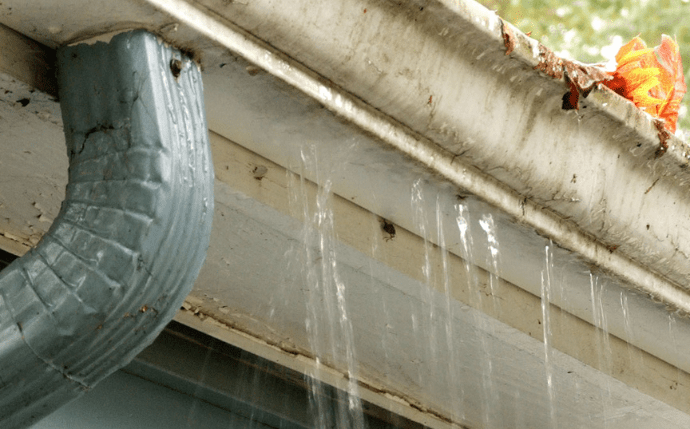
Anyone who owns a home in Hackettstown learns quickly that water rarely causes damage all at once. More often, it works quietly. It slips behind a loose gutter seam, drips at the corner of a fascia board, pools near a foundation wall, or spills over a clogged section during a hard summer storm. By the time the problem shows up inside the house or in the landscaping, the original repair would have been simple and relatively inexpensive.
That is why timely gutter repair matters so much in this part of New Jersey. Hackettstown sees a real mix of weather across the year, from snow and ice in winter to heavy rain, wind, and leaf drop through the warmer months. Gutters sit right in the path of all of it. When they fail, even in small ways, the effects spread further than most homeowners expect.
People tend to think of gutters as plain utility parts, almost like trim. In practice, they function more like a drainage system attached to the roofline. When they are aligned, sealed, and draining properly, they protect siding, windows, soffits, fascia, planting beds, walkways, basements, and foundations. When they are not, the house starts absorbing more water than it was designed to handle.
Hackettstown homes face a specific kind of wear
Local conditions matter. A house in a dry climate can get away with a lot more neglect than a house in Warren County. In Hackettstown, homes deal with freeze-thaw cycles, wet springs, humid summers, falling leaves, and the occasional intense storm that dumps a surprising amount of water in a short period. Those swings put constant stress on gutters and downspouts.
A gutter does not need to rip off the house to be considered damaged. More often, trouble starts with smaller failures. A bracket loosens. A section pitches the wrong way by half an inch. A seam opens. A downspout clogs just enough to slow flow during heavier rain. Those are the jobs that are easiest to ignore because the system still appears to be doing its job on mild days. Then a stronger storm arrives, and the weak point reveals itself.
I have seen this many times with older homes in established neighborhoods where mature trees are an asset but also a constant maintenance factor. Oak, maple, and pine debris can overwhelm a gutter system faster than many homeowners realize. Even houses with newer roofs are not immune. New shingles do not help much if runoff is spilling at every corner because the gutter trough is pulling away from the fascia.
Small gutter issues rarely stay small
One of the biggest misconceptions about gutters is that if water is still moving somewhere, the system is working well enough. That is not how drainage works. Water needs to move where it is supposed to move, at the volume the roof sheds, without backing up or escaping at the wrong points.
A small leak at a seam can stain wood trim and attract carpenter ants. A sagging section can hold water after every rain, which adds weight and accelerates failure at the hangers. Overflow near the front entry can splash onto siding and create dirty streaks that never seem to wash off. Worse, if runoff is falling next to the foundation repeatedly, it can contribute to settling, damp basement walls, or erosion around the perimeter.
Homeowners often notice the cosmetic signs first. Peeling paint. Mud splatter. A trench worn into mulch. Water pouring over the edge in one spot. Those visible clues usually mean the problem has already been active for a while. Delaying a repair turns a localized issue into a broader one, and broad water issues almost always cost more to correct.
The hidden cost of waiting
Most people do not postpone repair because they do not care. They postpone it because the urgency is hard to see. A loose gutter does not feel like an emergency when compared with a failed furnace or a leaking water heater. But the cost of waiting shows up in layers.
First comes the repair itself becoming more involved. Reattaching one section is straightforward if the fascia is still sound. If the wood behind it has started to rot, the scope changes. Now the damaged board may need replacement before the gutter can be secured properly. The same logic applies to downspouts. Clearing and resecuring one downspout is a basic service call. Regrading soil, replacing drowned shrubs, or fixing a damp crawlspace because that downspout emptied next to the house for two seasons is a different story.
Then there is interior risk. Overflowing gutters can push water behind the exterior envelope. It may show up as staining around window trim, moisture in attic edges, or mold concerns in isolated wall cavities. None of that happens overnight, which is exactly why the problem gets missed.
Insurance can be another gray area. Sudden storm damage may be handled differently than deterioration from deferred maintenance. Homeowners should never assume that all water-related problems around the roofline will be covered. In practical terms, staying ahead of gutter issues reduces the odds of having that unpleasant conversation at all.
What timely repair usually looks like
Repair does not always mean replacement. In fact, a lot of worthwhile gutter work in Hackettstown falls into the category of targeted correction. The goal is to restore proper drainage before collateral damage sets in.
A professional handling Gutter Repair Hackettstown projects will usually start by looking at pitch, fasteners, seams, outlet performance, and the condition of the fascia and soffit. The real question is not whether the gutter looks old. It is whether it still manages roof runoff effectively during actual weather conditions.
In many cases, timely repair involves resecuring loose hangers, sealing joints, adjusting slope, correcting sections that have twisted, replacing short runs that are too damaged to salvage, or extending downspout discharge away from the foundation. Sometimes the repair also includes addressing what caused the problem in the first place. If one area clogs repeatedly because of nearby tree cover or roof granule buildup, a homeowner may need a maintenance change, not just a sealant bead.
That distinction matters. Good repair is not a cosmetic patch. It restores function.
Why winter makes delayed repair riskier
Winter in Hackettstown changes the equation. Water that lingers in a poorly pitched or clogged gutter can freeze, expand, and force joints apart. Ice adds weight, and weight stresses every fastener. A gutter that only sagged a little in October can pull away significantly by January.
Ice dams are part of this conversation too, although they are not caused by gutters alone. Heat loss from the roof is usually part of the story. Even so, damaged or blocked gutters can worsen edge conditions by trapping meltwater where it should be draining. Once freezing and refreezing starts, the gutter system is working under much tougher conditions than it was designed for.
This is one reason fall inspections are so valuable. If a section is loose, leaking, or clogged going into winter, it is far less likely to improve on its own. It is far more likely to fail when repair is harder, weather is colder, and emergency scheduling is tighter.
Spring and summer bring a different set of problems
Warm-weather months create their own pressure points. Spring often reveals what winter damaged. Hangers back out. Seams separate. Downspouts clog with the mix of sticks, seed pods, and roof grit that has built up over the colder months. Early summer storms then test every weak connection.
By mid to late summer, another issue appears: concentrated runoff. Thunderstorms can dump water quickly, and a compromised gutter has very little margin under that kind of load. A system that handles light rain may overflow dramatically in a downpour. This is when homeowners often call for Gutter Repair Hackettstown service after noticing waterfalls over entryways or water hammering flower beds flat.
The pace of plant growth can hide warning signs during these seasons. Overgrown shrubs near the foundation can conceal splashback patterns or pooling. Thick foliage can also make it harder to see whether downspouts are discharging properly. By the time leaves start dropping again, one maintenance cycle has already blurred into the next.
The parts of the house gutters protect most
People tend to associate gutter problems with the roof edge, but the damage path extends much further. Several areas are especially vulnerable when drainage fails:
- Fascia and soffit, because they sit directly behind or beneath the gutter and absorb repeated moisture first
- Foundation edges and basement walls, where repeated saturation can create moisture intrusion or settlement concerns
- Siding, trim, and window surrounds, which suffer staining, rot, or paint failure from splashback and overflow
- Landscaping and hardscaping, where concentrated runoff erodes beds, undermines pavers, and creates slippery walkways
- Entry points and exterior stairs, where overflow can become both a nuisance and a safety issue
Each of those categories brings a different repair cost. That is why timely action is almost always cheaper than waiting for visible deterioration to spread.
Signs homeowners should not ignore
Some warning signs are obvious, and some are easy to dismiss as cosmetic. The challenge is that gutters often fail incrementally. You may hear the problem before you really see it. A drip at one corner after rain. A rattle in wind. Water striking a deck rail in a place it never used to. These details matter.
If you walk around the house during or right after a storm, you can learn a lot. A healthy system channels water into downspouts with controlled flow. A failing system announces itself. You may see sheets of water pouring over the front edge, runoff escaping at elbows, or one downspout barely trickling while another is blasting. Those imbalances usually point to blockage, poor pitch, or disconnected sections.
Staining also tells a story. Vertical dirt marks on siding often mean repeated overflow. Rust at seams suggests standing water or joint failure. Mildew near the foundation can indicate persistent dampness. Inside the house, a musty basement corner after heavy rain should raise questions about exterior drainage before anything else.
Here is a short field check homeowners can use after a storm:
- Look for overflow at corners or mid-span sections
- Check whether downspouts discharge several feet from the house
- Notice any new staining on siding or trim
- Inspect for pooling water near the foundation
- Watch for gutters pulling away from the fascia line
That kind of observation does not replace a proper inspection, but it catches issues while they are still manageable.
Repair versus replacement is a judgment call
Not every gutter problem justifies a whole new system. At the same time, not every recurring repair makes financial sense. This is where experience matters. The right answer depends on age, material, extent of damage, and whether the current layout was ever adequate for the roof it serves.
If a relatively modern gutter system has one failed corner, a few loose hangers, and an isolated seam leak, repair is often the sensible move. If the system has chronic sagging, multiple leaks, rust-through, poor sizing, and rotten fascia beneath several runs, replacement may be more economical over the next five to ten years.
There is also a workmanship factor. Some homes have gutters that were installed with too few fasteners, poor slope, awkward downspout placement, or low-capacity sections at major roof valleys. In those cases, repeated minor repairs can feel frustrating because the system was underperforming from the beginning. Repair can still help, but only if the underlying design issues are addressed.
This is where a reputable contractor earns their keep. A thoughtful professional should be able to explain not only what is wrong, but also why it happened and whether the fix is expected to last. Homeowners deserve that level of clarity.
Why local experience matters in Hackettstown
There is value in working with someone who understands regional housing stock and weather behavior. Gutter problems are not identical from one area to another. A contractor familiar with Hackettstown will likely recognize common trouble spots, such as homes shaded by mature trees, rooflines that dump into short gutter runs, or older fascia boards that no longer hold fasteners as well as they once did.
Local knowledge also helps with timing. There are windows during the year when demand for service spikes, usually after major storms or near the end of fall. Homeowners who address issues earlier often get better scheduling, less stress, and a lower chance of emergency conditions. When people search for Gutter Repair Hackettstown, they are often already reacting to visible failure. The better moment to act is usually just before failure becomes obvious.
Maintenance supports repair, but does not replace it
Cleaning gutters matters, but cleaning is not the same as repair. A clear gutter that is pitched wrong will still overflow. A clean downspout attached to a detached elbow is still not doing its job. Maintenance and repair work together, and each depends on the other.
For most homes in Hackettstown, annual or semiannual cleaning is a practical baseline, especially where tree cover is heavy. But during those cleanings, someone should also be checking alignment, joint condition, fastener strength, and discharge paths. Otherwise, maintenance becomes a routine that removes debris while allowing structural problems to grow.
Gutter guards can help in some settings, but they are not a universal cure. They reduce certain kinds of buildup, yet they do not fix poor slope, undersized downspouts, or failing fascia. They can also create a false sense of security if no one inspects the system afterward. The best results usually come from realistic expectations and regular observation.
A repair done at the right time protects more than the gutter
One of the reasons I take gutter issues seriously is that https://johnnyopsp182.fotosdefrases.com/gutter-repair-hackettstown-when-small-issues-become-big-problems they are among the few home maintenance items that touch almost every part of the exterior envelope. Roof runoff is relentless. If you control it, the house stays drier, cleaner, and more stable. If you do not, damage spreads to materials that are much harder to access and far more expensive to replace.
A timely repair preserves the parts of the house that owners rarely think about until they fail. It keeps fascia from turning soft behind aluminum. It keeps basement corners drier. It keeps front walks safer in bad weather. It protects mulch, shrubs, and grading that were not meant to absorb roof runoff day after day.
That is the real point. Gutter repair is not about making the roofline look neat, although that helps. It is about preserving the way a house manages water. In a place like Hackettstown, where seasons put that system under steady pressure, timing is the difference between a straightforward fix and a chain of preventable repairs.
When a gutter starts to sag, leak, separate, or overflow, the clock has already started. Acting early is rarely dramatic, but it is almost always the smarter investment.
Just Gutters LLC
Address: 262 Main St, Hackettstown, NJ 07840
Phone number: +12013319454
FAQ About Gutter Repair Hackettstown
What is the average cost to repair gutters?
The average cost to repair gutters is about $390, with most jobs ranging from $120 to $900 depending on the damage. You can explore detailed data and estimates on Angi.
Can I repair a gutter myself?
Yes, you can easily repair most common gutter problems yourself if you are comfortable working on a ladder.
How much does it cost to repair a leaking gutter?
The average cost to repair a leaking gutter ranges from $75 to $350. Most homeowners spend around $150 to $250 to hire a professional to patch small holes or reseal leaking joints. If the damage is severe and requires replacing entire sections, the price can increase from $300 to $800.